Under the Tongue, Not in a Hurry: Getting Sublingual CBD Right

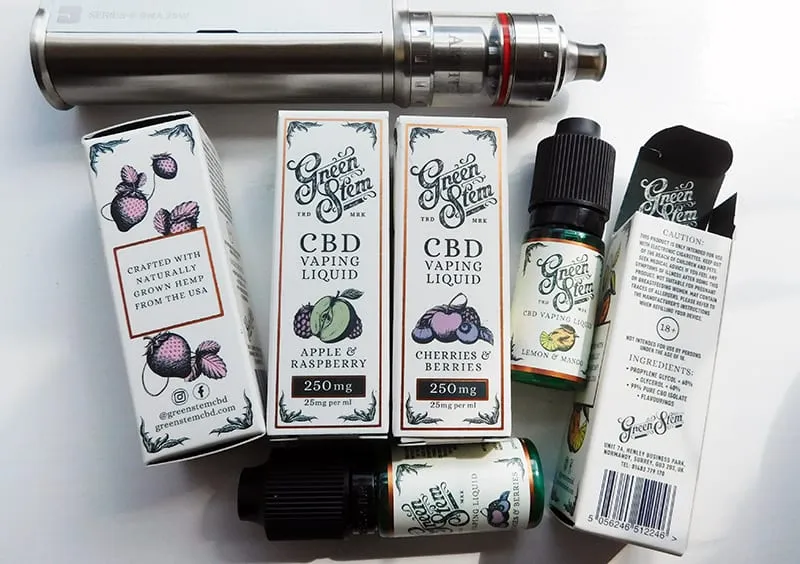
Photo: Giles Laurent, CC BY-SA 4.0, via Wikimedia Commons
If you've ever squeezed CBD oil under your tongue and swallowed it before you've even put the dropper down, you're in good company. Sublingual CBD sounds simple — under the tongue, hold, swallow — but most of us rush it. The hold time is not a personality test. It's just the part of the routine that gives the oil a chance to absorb before it heads to your stomach.
What sublingual actually means
Sublingual means 'under the tongue'. You place the oil beneath your tongue, where the tissue is thin and well supplied with blood vessels. The idea is that some of the CBD can be absorbed there rather than being swallowed and processed through the digestive system. It's not a magic shortcut, and it doesn't mean the whole dose disappears into your bloodstream. It's simply a different route, and one that many people find convenient.
Why the hold time matters
Most labels suggest holding for 60 to 90 seconds. That's a rough benchmark, not a legal requirement. The point is contact time: if you swallow straight away, most of the oil goes down your throat. If you hold it for a minute, more of it has a chance to sit against the tissue under your tongue. You don't need to count like you're in a meditation retreat. Set a timer, read one paragraph of a book, or do it while you're waiting for the kettle to boil.
Some people find 30 seconds is enough for their routine; others prefer the full minute. Start with the label's suggestion and see how it feels. There's no prize for holding longer than everyone else.
The mistakes most of us make
First, swallowing too soon. It's the most common one. Second, squeezing a huge amount because 'more must be better'. It isn't. Start low and keep notes. Third, not shaking the bottle. CBD oil can settle, so a gentle shake before you use it helps. Fourth, dropping the oil on top of your tongue rather than underneath it. Fifth, eating or drinking immediately afterwards. Give it a minute or two before you reach for a cup of tea.
Another quiet mistake is inconsistency. Taking CBD at random times makes it harder to tell whether it's doing anything for you. And expecting an instant switch is a fast route to disappointment. CBD is not a painkiller that kicks in in ten minutes. Most people who notice anything describe a gradual effect over days or weeks, not a light switch.
What to expect — and when to stop expecting
With sublingual oil, some people notice something within 15 to 45 minutes. Others notice very little until they've kept a routine for a week or two. Both can be normal. The key is not to judge the product from one rushed dose on a stressful Tuesday. Keep a simple note on your phone: date, time, amount, and anything you noticed. Don't write an essay. Three lines is plenty.
If you've tried a consistent routine for a few weeks and feel nothing, it's reasonable to stop and reassess rather than keep buying stronger bottles. CBD is not a treatment for everything, and it won't work the same way for everyone. If you take prescription medication, ask a pharmacist before adding CBD to your routine.
Making it a habit without the theatre
Sublingual CBD doesn't need a candle, a playlist or a special spoon. Keep the bottle where you'll see it, pair it with something you already do — brushing your teeth, making your first coffee, settling down after dinner — and hold for a minute while you do something else. That's it. The habit is the point, not the performance.
A simple checklist for your next bottle
- Check the label for CBD content per ml, not just the bottle size.
- Look for clear batch information and a UK-appropriate label.
- Shake gently before use.
- Place the oil under your tongue, not on top.
- Hold for 60 seconds if you can, 30 if that's realistic.
- Wait a minute before eating or drinking.
- Start low and keep a short note for a week.
- Ask a pharmacist if you take prescription medication.
Rushing sublingual CBD is not a moral failing. It's just a habit. Slow down for a minute, swallow after, and let the routine do its quiet work.